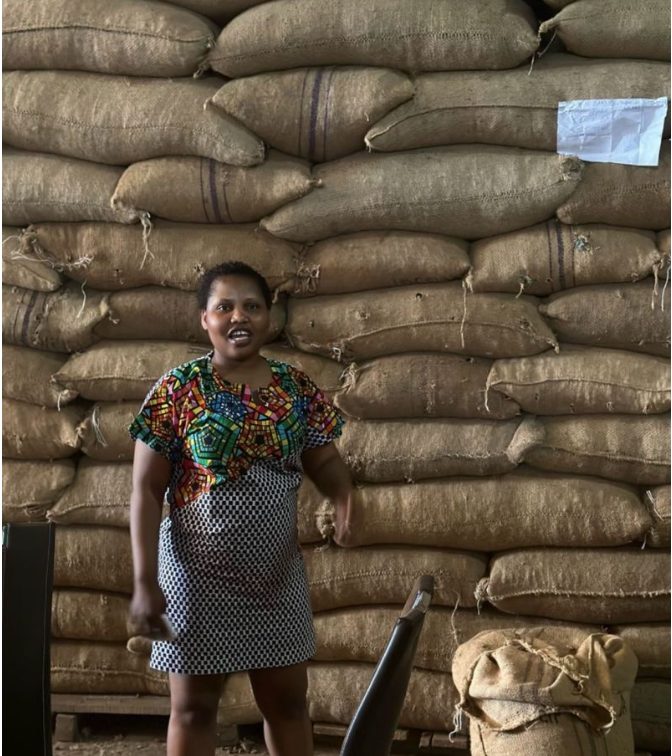
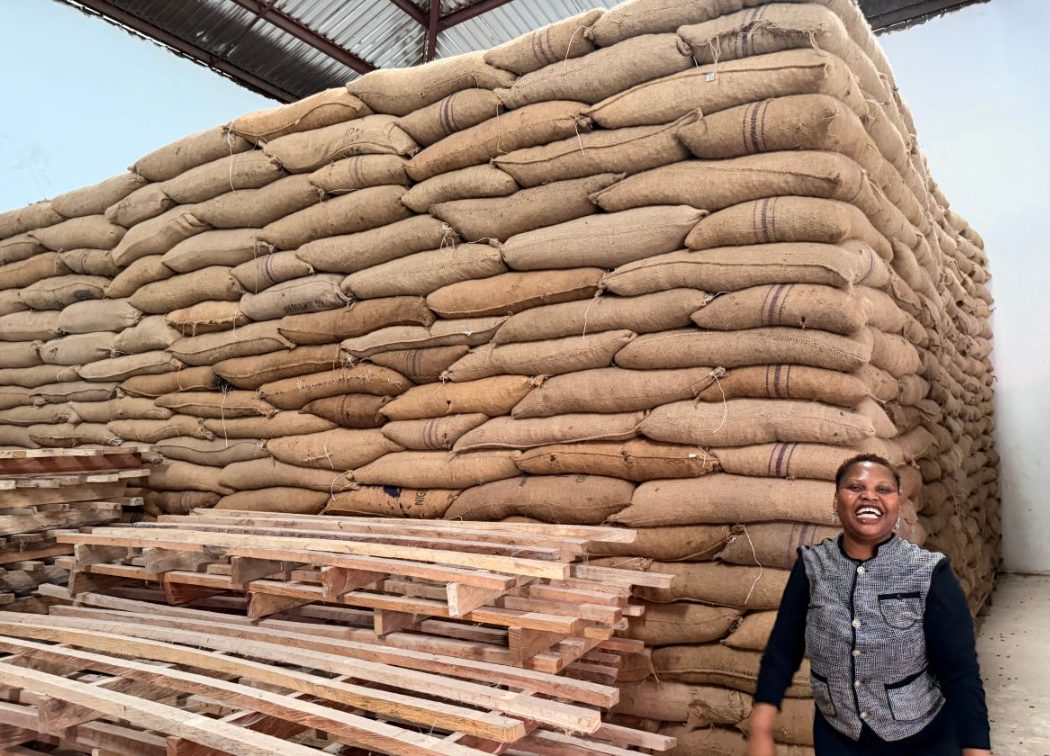
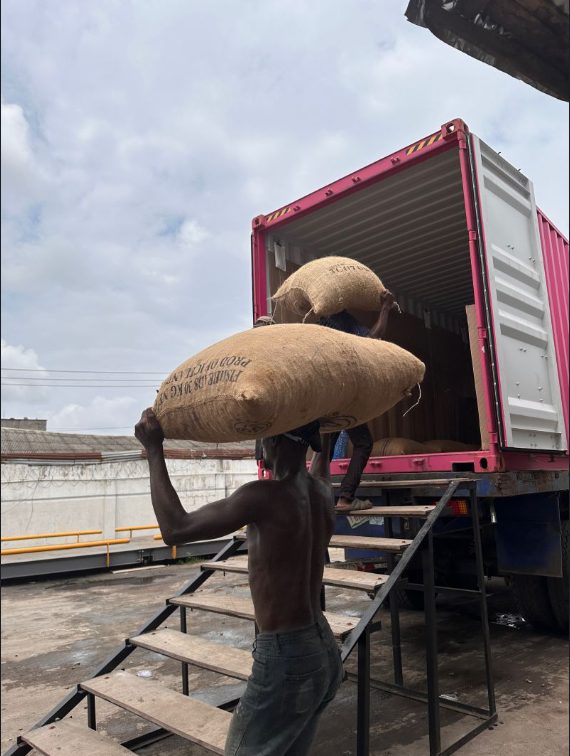
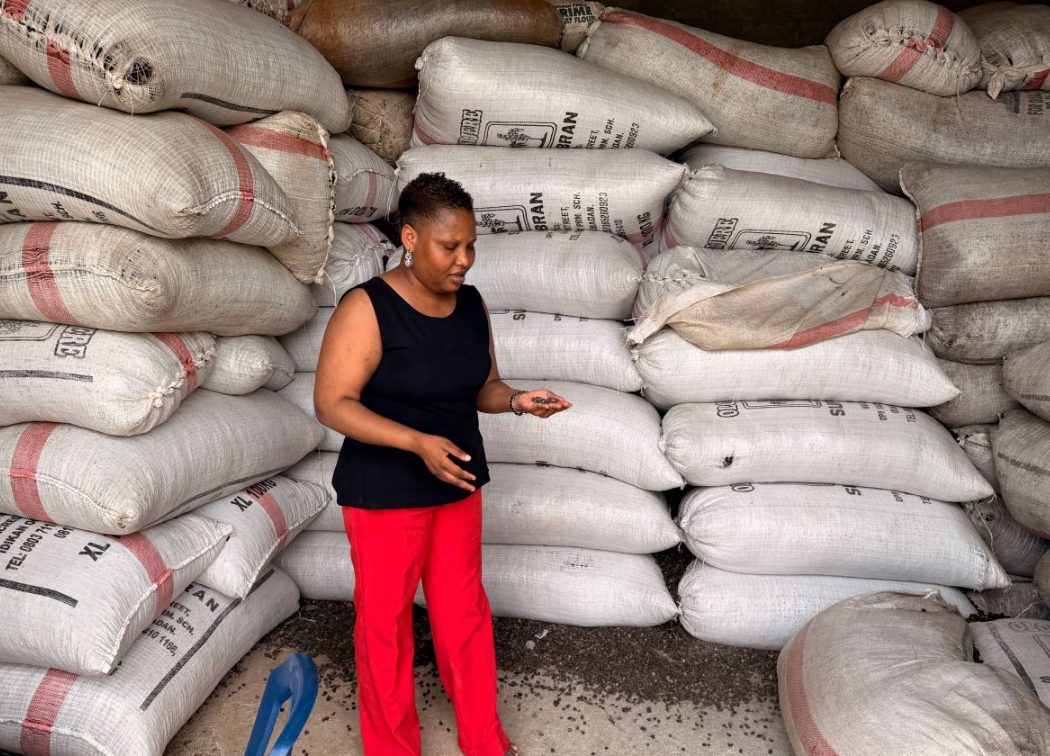
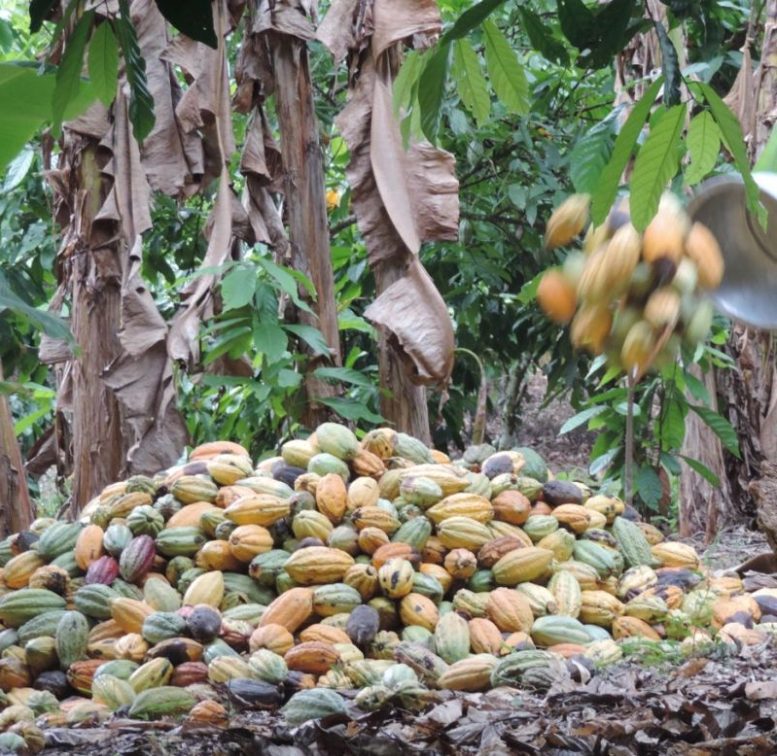
I grew up watching my people bend their backs in cocoa farms. I did not fully understand it then. I do now. The red soil of Idanre, the forest belt running through Ile Oluji, Owo, Akure South and Odigbo, the smell of fermenting pods drying under the Ondo sun. That is not poetry. That is school fees paid and rooftops built. So when I talk about what is broken in how Nigeria finances its agriculture, understand that it is personal.
I have spent more than seven years in Nigerian banking, most of it in trade finance and in lending to agribusinesses and non-oil exporters. I began in core banking and relationship management, then narrowed my focus to export and commodity finance: opening a bank's first export proceeds accounts, structuring facilities for cocoa, cashew and sesame exporters, and later leading a non-oil export and agribusiness division. Today I lead agri-tech for a Nigerian bank, using data, traceability and digital channels to reach the agricultural businesses that collateral-led appraisal tends to miss.
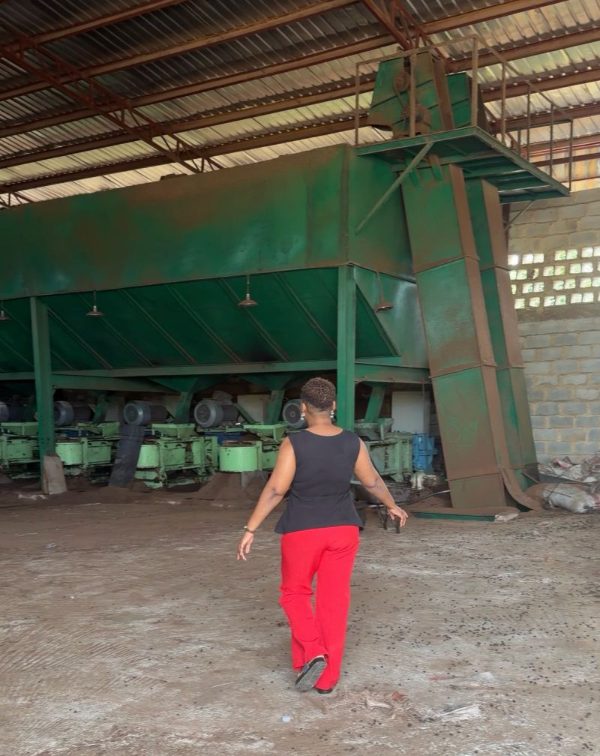
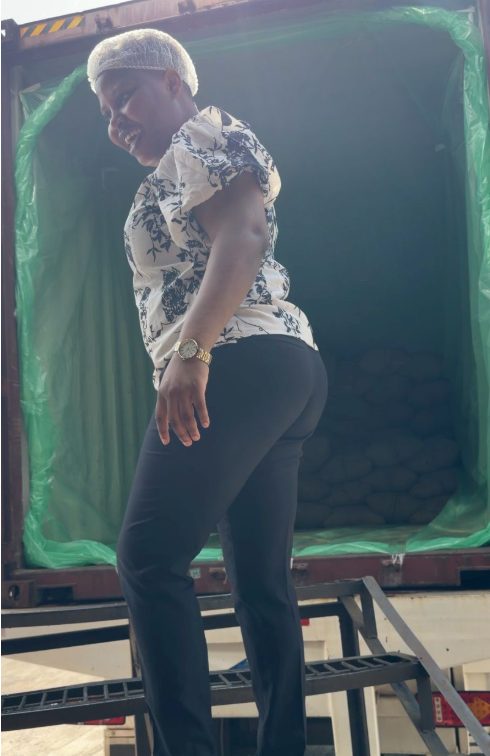
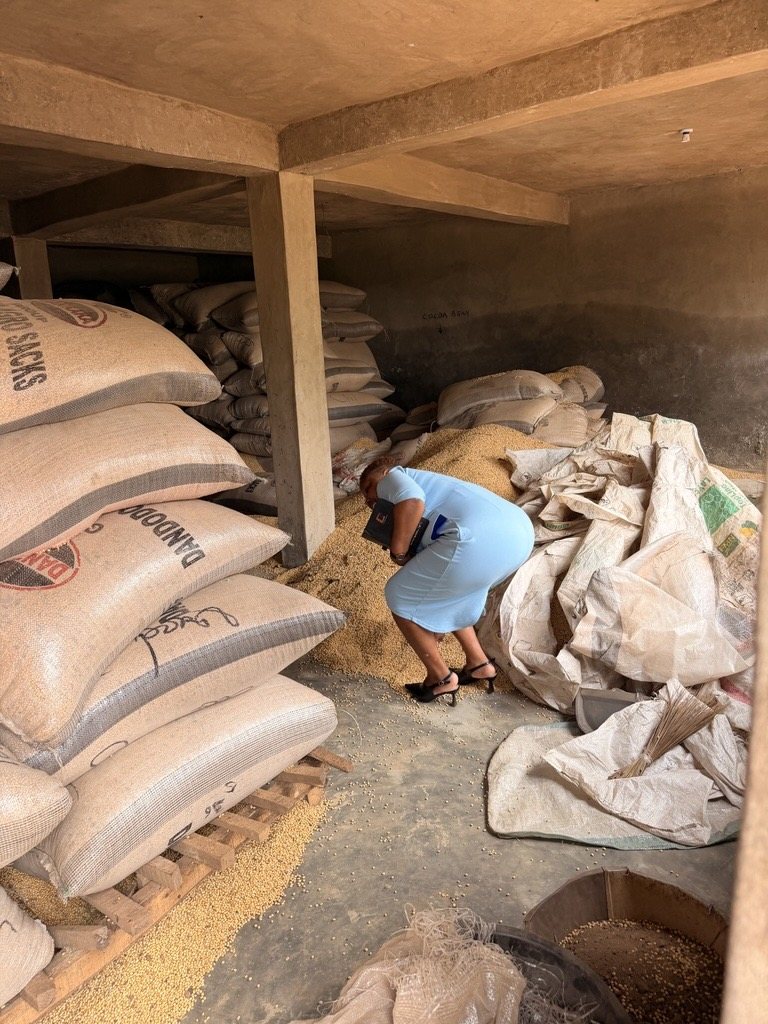
My practice runs across conventional and Islamic finance. On the conventional side that means pre-export and pre-shipment finance, letters of credit, invoice discounting, warehouse receipt financing and term loans for processing assets. On the Islamic side it means Murabaha, Salam and Ijarah structures for traders and for businesses acquiring productive assets. The question is always the same: which structure follows the physical flow of the trade most closely, from the farm gate through the warehouse to the port and the proceeds? Answering it takes a working knowledge of the products and an equally working knowledge of warehouses, shipping lines and export paperwork.
I am completing a PhD in International Agribusiness at Lead City University, Ibadan, where my research asks why credit does not reach Nigerian agribusiness at the scale the sector needs, and what digital agriculture changes about that. I hold the Certified Trade Finance Professional (CTFP) qualification from the ICC Academy and completed the Agribusiness Management Programme at Lagos Business School in 2026.